.jpg)
Happening now: one of the most important dates on the Middle East art calendar
After a year of planning, the Diriyah Contemporary Art Biennale 2026 is now open and will run until May.
The Diriyah Biennale is increasingly seen as a major cultural event in the Middle East, helping to position Saudi Arabia as a global contemporary art destination. We are most excited about this year's event as it continues to shape the Kingdom's cultural identity to the world.
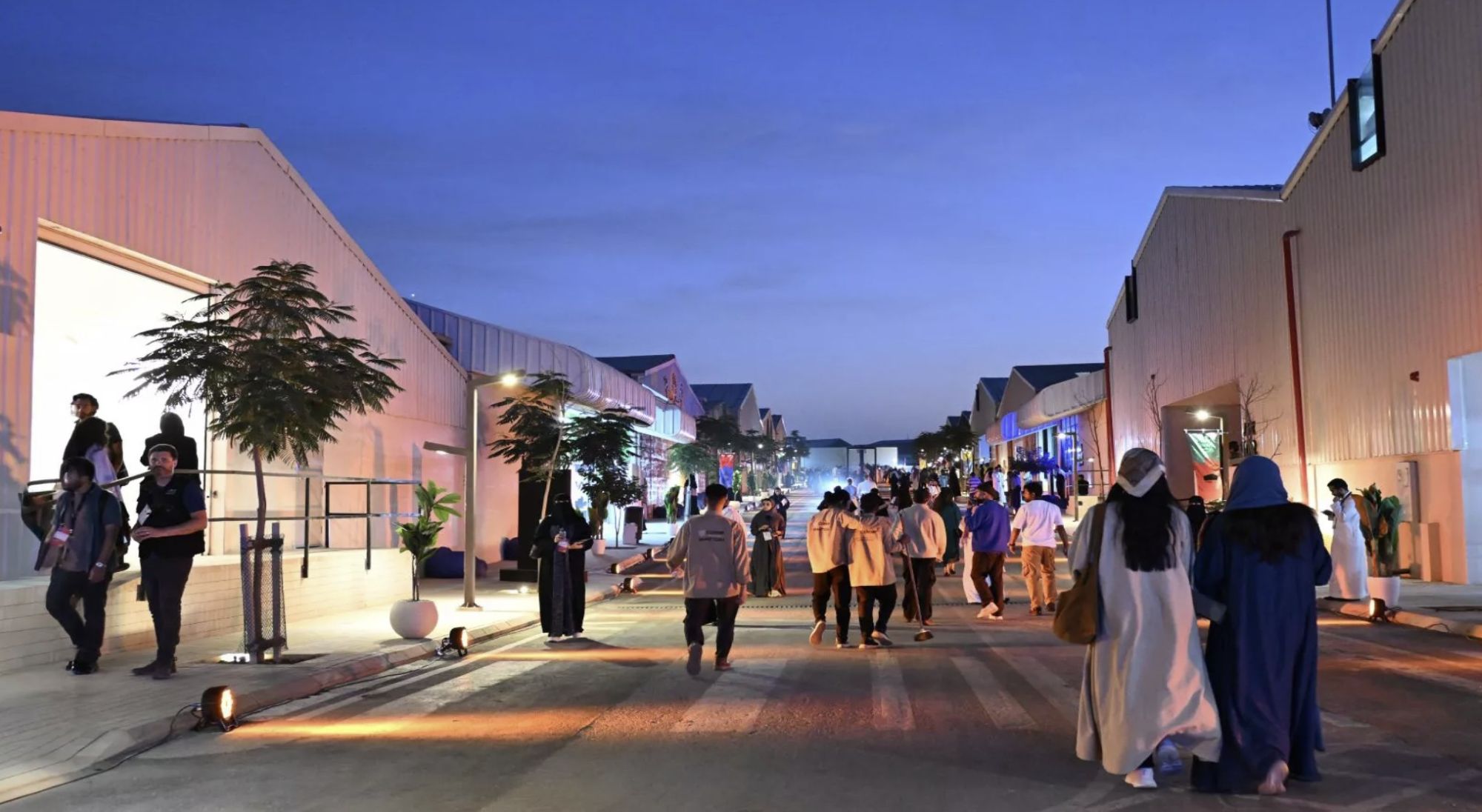
Here is a sneak peek at what to expect across this year's program.
The Theme Is "In Interludes And Transitions"
A theme inspired by movement, processions, migration, and cultural transmission. The concept draws from nomadic traditions and explores how stories, memories, languages, and rhythms travel through time and space.
Rather than focusing on static displays, the Biennale treats art as a choreography of motion — bringing together diverse practices to reflect continuity and change. Works encompass movement of people, winds, trade, music, story, and cultural exchange.
Diverse Artists, An International Mix, And Special Commissions
The Biennale will features over 65 international artists from more than 37 countries, presenting a wide range of contemporary voices.
More than 20 new works (commissions) were created specifically for this Biennale.
Participating creators include visual artists, filmmakers, musicians, architects, and writers, reflecting a multidisciplinary approach to contemporary culture.
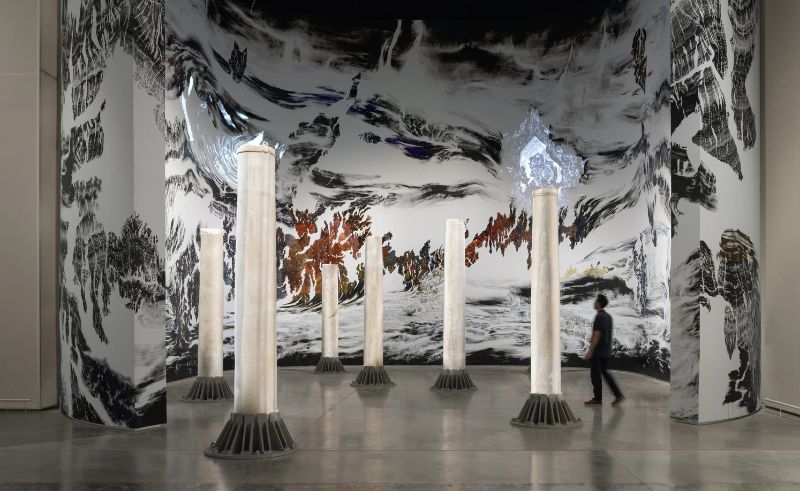
Interactive, Immersive and Educational
Alongside the core exhibition, the Biennale schedule includes talks, panels, and discussions with artists, curators, and thinkers, and leaders in Saudi and international art & culture. Programs on themes such as memory, media, transformation, and archival practices will link back to the central theme.
These events offer deeper engagement with the Biennale’s ideas and encourage dialogue between local and international audiences.
Biennale Highlights
The Biennale program is extensive and there are too many wonderful events to list, but here are just a few examples of the diversity and creativity that will be on display in the coming weeks:
1. Installation by Elias Sime
Ethiopian artist Elias Sime is featured in this edition, bringing his distinctive large-scale constructions made from recycled electronic waste. Sime’s work transforms discarded circuit boards, cables, and computer parts into dense, textural panels that echo networks of connectivity and migration. His practice resonates with the Biennale’s theme by probing how material and immaterial flows shape our interconnected world — suggesting survival and memory through layered found materials.
2. Pacita Abad Retrospective or Commission
Filipino artist Pacita Abad — known for her exuberant trapunto paintings and embroideries — is among the international voices represented. Abad’s work often centers on themes of migration, diaspora, and transnational identities, using bold colour and stitched surfaces to map journeys of people and culture. Her presence at the Biennale evokes visual histories of trade, movement, and interwoven narratives across borders.
3. Works by Etel Adnan
Lebanese-American artist and poet Etel Adnan's panoramic abstract landscapes and poetic works reflect a life lived across continents. Her expressive colours and compositions evoke memory, place, and emotional geography, aligning strongly with the Biennale’s focus on transitions and the shifts between internal and external worlds.
4. Dineo Seshee Bopape (Raisibe) Installation
South African artist Dineo Seshee Bopape (also known as Raisibe) creates immersive installations that often combine sound, video, and sculpture to address social history, landscape, and collective memory. At Diriyah, her work likely engages with transitions of land and identity, using sensory experience to question how histories are inscribed in places and bodies, and how movement becomes a site of emotional and physical connection.
5. Raqs Media Collective Exhibition
Raqs Media Collective — a group working across video, performance, installation, and text — frequently explore time, history, and the politics of experience, investigating how meaning is generated through rhythms, repetition, and shared cultural practices. Their practice resonates particularly with Diriyah’s focus on procession, cadence, and the layered nature of interludes and transitions.
Note: While the full list of artists have been announced, many of their works specific to the Biennale have yet to be revealed, so we advise checking the official website regularly for updated lists of individual exhibitions and galleries.
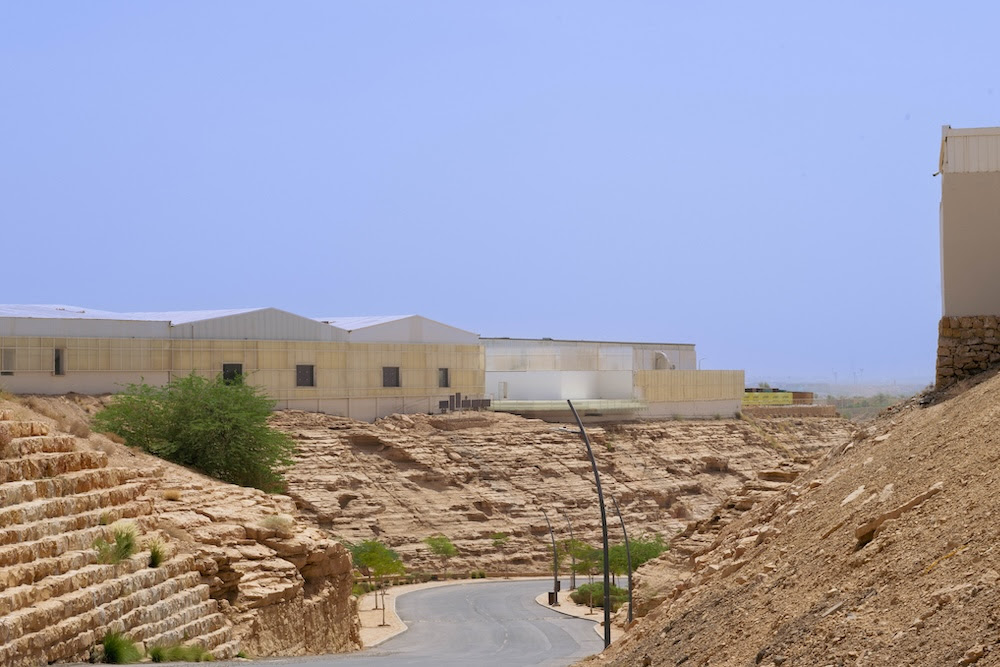
Attending The Biennale
If you're interested to know more about the Biennale events, are looking to attend or just need more information about how to get there and how to arrange the best itinerary to suit you, contact the MCC membership team to help you.